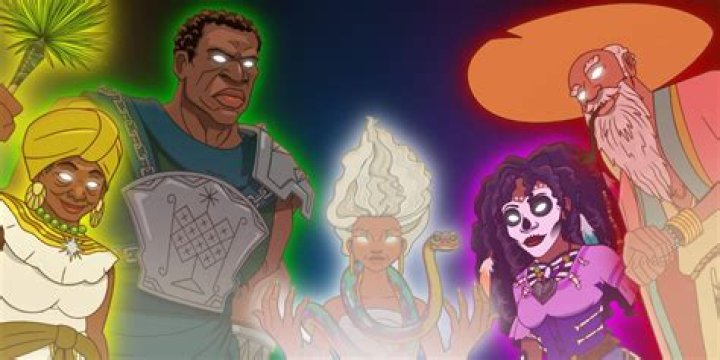
African mythical beasts, deeply rooted in the continent's diverse cultures, are otherworldly creatures that embody the rich tapestry of African mythology. From the fire-breathing Chimera of ancient Egypt to the shape-shifting Tokoloshe of Southern Africa, these mythical beings showcase the creativity and imagination of African storytellers. They represent the untamed forces of nature, embody moral lessons, and serve as guardians of sacred places.
These legendary creatures have played a significant role in shaping African culture, influencing art, literature, and religious beliefs. They continue to captivate audiences of all ages, offering a glimpse into the boundless imagination and cultural heritage of the African continent. Exploring African mythical beasts provides a deeper understanding of the continent's diverse cultures and the enduring power of storytelling.
In the following sections, we will delve into specific examples of African mythical beasts, examining their unique characteristics, origins, and cultural significance. We will also explore the broader context of African mythology, examining its role in shaping the continent's cultural identity.
African Mythical Beasts
African mythical beasts, deeply rooted in the continent's diverse cultures, offer a glimpse into the untamed forces of nature, embody moral lessons, and serve as guardians of sacred places. These otherworldly creatures take on various forms and possess unique abilities, reflecting the rich tapestry of African mythology.
- Diversity: From fire-breathing serpents to shape-shifting tricksters, African mythical beasts encompass a vast array of creatures.
- Symbolism: They embody natural forces, moral values, and cultural beliefs, serving as metaphors for human experiences.
- Storytelling: Mythical beasts feature prominently in African folktales, myths, and legends, captivating audiences of all ages.
- Cultural Identity: They are deeply intertwined with African cultures, shaping art, literature, and religious practices.
- Guardians: Many mythical beasts are believed to protect sacred places, communities, or individuals from harm.
- Ancestry: They often serve as totems, connecting people to their ancestral lineage and the spirit world.
- Entertainment: African mythical beasts continue to inspire modern forms of entertainment, such as films, books, and video games.
- Education: They offer valuable lessons about the environment, morality, and the human condition.
The exploration of African mythical beasts provides a deeper understanding of the continent's diverse cultures and the enduring power of storytelling. Through these creatures, we gain insights into the imagination, beliefs, and fears of African societies. They remind us of the interconnectedness of all living things and the importance of respecting the natural world.
Diversity
The diversity of African mythical beasts is a testament to the rich imagination and cultural heritage of the African continent. These creatures come in all shapes and sizes, from fearsome fire-breathing serpents to mischievous shape-shifting tricksters. This diversity reflects the diverse environments and cultures found across Africa, as well as the creativity of African storytellers.
The diversity of African mythical beasts is also important because it allows for a wide range of stories and lessons to be told. Fire-breathing serpents, for example, can represent the dangers of nature, while shape-shifting tricksters can teach us about the importance of wit and cunning. By encompassing such a vast array of creatures, African mythical beasts provide a rich source of inspiration for storytellers and artists alike.
Understanding the diversity of African mythical beasts is important for several reasons. First, it helps us to appreciate the richness and complexity of African culture. Second, it allows us to better understand the role that these creatures play in African storytelling and mythology. Finally, it provides us with a valuable resource for inspiration and creativity.
Symbolism
African mythical beasts are steeped in symbolism, embodying natural forces, moral values, and cultural beliefs, serving as powerful metaphors for human experiences. This symbolism is a key component of African mythology, allowing storytellers to explore complex themes and convey important messages in an engaging and accessible way.
For example, the fire-breathing serpent often represents the destructive power of nature, while the shape-shifting trickster embodies the importance of wit and cunning. Other mythical beasts may represent specific moral values, such as the tortoise, which is often seen as a symbol of wisdom and patience. By using these creatures as metaphors, storytellers can make abstract concepts more relatable and memorable.
Understanding the symbolism of African mythical beasts is important for several reasons. First, it allows us to better appreciate the richness and complexity of African mythology. Second, it helps us to understand the role that these creatures play in African storytelling and culture. Finally, it provides us with a valuable resource for inspiration and creativity.
Storytelling
Storytelling is an integral part of African culture, and mythical beasts play a prominent role in African folktales, myths, and legends. These stories have been passed down from generation to generation, captivating audiences of all ages. They provide a glimpse into the beliefs, values, and traditions of African societies, and offer valuable lessons about life.
- Education: Mythical beasts often embody moral lessons or teach about the dangers of nature. For example, the story of the tortoise and the hare teaches the importance of perseverance, while the story of the fire-breathing serpent warns of the dangers of greed.
- Entertainment: Mythical beasts add an element of excitement and wonder to African stories. They capture the imagination of children and adults alike, and provide a sense of escapism from everyday life.
- Cultural identity: Mythical beasts are deeply intertwined with African culture and identity. They are often associated with specific tribes or regions, and their stories reflect the unique beliefs and experiences of African people.
- Inspiration: Mythical beasts have inspired countless works of art, literature, and music. They continue to be a source of inspiration for African artists and storytellers, and their stories are retold in new and exciting ways.
The connection between storytelling and African mythical beasts is a powerful one. These stories provide a window into the African worldview, and offer valuable lessons about life. They are a source of entertainment, education, and inspiration, and continue to play an important role in African culture.
Cultural Identity
African mythical beasts are deeply intertwined with the cultural identity of African peoples. They are featured prominently in African art, literature, and religious practices, and their stories have been passed down from generation to generation. These mythical creatures embody the beliefs, values, and traditions of African societies, and they continue to play an important role in African culture today.
- Art: African mythical beasts are a common motif in African art, appearing in sculptures, paintings, and other works of art. These creatures often represent the spiritual world or the forces of nature, and they can be used to decorate homes, temples, and other important places.
- Literature: African mythical beasts are also featured prominently in African literature. They appear in folktales, myths, and legends, and they often play a central role in the story. These stories can teach important lessons about life, and they can also be used to entertain and amuse.
- Religious practices: African mythical beasts are also important in African religious practices. They are often associated with specific deities or spirits, and they can be used to invoke protection or to bring good fortune. In some cases, mythical beasts are even worshipped as gods or goddesses.
The connection between African mythical beasts and cultural identity is a strong one. These creatures are a part of the fabric of African culture, and they continue to play an important role in African societies today. They are a source of pride and inspiration, and they help to define what it means to be African.
Guardians
The belief that mythical beasts serve as guardians is deeply ingrained in African mythology. These creatures are often associated with specific places, communities, or individuals, and they are believed to protect these entities from harm. In some cases, mythical beasts are even seen as the ancestors of a particular group of people, and they are revered as protectors and guides.
The role of guardian is an important aspect of African mythical beasts because it highlights their benevolent nature. These creatures are not simply forces of chaos or destruction; they are also protectors and helpers. This duality is a reflection of the African worldview, which sees the natural world as a place of both beauty and danger. Mythical beasts represent the balance between these two forces, and they serve as a reminder that even in the most challenging of times, there is always hope.
Understanding the role of guardians in African mythology is important for several reasons. First, it provides us with a deeper appreciation for the complexity of these creatures. Second, it helps us to understand the role that these creatures play in African storytelling and culture. Finally, it provides us with a valuable resource for inspiration and creativity.
Ancestry
In African mythology, mythical beasts often serve as totems, connecting people to their ancestral lineage and the spirit world. Totems are animals, plants, or other natural objects that are believed to have a spiritual connection to a particular group of people. They are often seen as symbols of the group's identity and heritage, and they may be used in rituals and ceremonies to invoke the protection and guidance of the ancestors.
The connection between mythical beasts and ancestry is a powerful one. These creatures are often seen as the embodiment of the group's ancestors, and they may be invoked to provide guidance and protection. In some cases, mythical beasts are even believed to be the reincarnation of the group's ancestors. As such, they are deeply respected and revered.
The understanding of the connection between mythical beasts and ancestry is important for several reasons. First, it provides us with a deeper appreciation for the complexity of these creatures. Second, it helps us to understand the role that these creatures play in African storytelling and culture. Finally, it provides us with a valuable resource for inspiration and creativity.
Entertainment
The enduring popularity of African mythical beasts in modern entertainment is a testament to their captivating nature and universal appeal. These creatures have inspired countless works of fiction, from classic films like "The Lion King" to popular video games like "World of Warcraft." Their unique designs, intriguing stories, and timeless themes continue to resonate with audiences of all ages.
The entertainment industry has played a significant role in popularizing African mythical beasts and bringing them to a global audience. Films, books, and video games have introduced these creatures to new generations, fostering a greater appreciation for African culture and mythology. Moreover, these modern adaptations often incorporate contemporary elements and themes, making African mythical beasts relevant to current audiences.
The connection between African mythical beasts and entertainment is mutually beneficial. On the one hand, the entertainment industry provides a platform for these creatures to reach a wider audience and continue to inspire creativity. On the other hand, African mythical beasts offer a rich source of inspiration for storytellers and artists, providing endless possibilities for exploration and innovation.
Understanding the connection between African mythical beasts and entertainment is important for several reasons. First, it highlights the enduring power and influence of these creatures in contemporary culture. Second, it demonstrates the importance of preserving and celebrating African mythology and folklore. Finally, it provides valuable insights into the role of entertainment in shaping our understanding and appreciation of different cultures.
Education
African mythical beasts are not merely creatures of fantasy; they are also powerful educators. Through their stories and legends, these creatures teach valuable lessons about the environment, morality, and the human condition.
For example, the story of the Tortoise and the Hare teaches us the importance of perseverance and humility. The Hare, being faster than the Tortoise, becomes overconfident and takes a nap during the race. The Tortoise, on the other hand, keeps going slowly but steadily and eventually wins the race. This story teaches us that even those who seem weaker or slower than us can achieve great things if they are persistent and determined.
Another example is the story of the Lion and the Mouse. In this story, a lion spares the life of a mouse. Later, when the lion is caught in a hunter's trap, the mouse gnaws on the ropes and sets the lion free. This story teaches us the importance of compassion and kindness, even to those who seem smaller or weaker than us. It also teaches us that everyone has something to offer, no matter how small.
African mythical beasts can also teach us about the environment. For example, the story of the Rainbow Serpent teaches us about the importance of water and the need to protect our natural resources. The Rainbow Serpent is a powerful water spirit that controls the weather and brings rain. In this story, the Rainbow Serpent punishes those who are wasteful or disrespectful of water.
These are just a few examples of the many valuable lessons that can be learned from African mythical beasts. These stories have been passed down from generation to generation, and they continue to teach us important lessons about ourselves and the world around us.
Understanding the connection between African mythical beasts and education is important for several reasons. First, it helps us to appreciate the richness and complexity of African culture. Second, it provides us with a valuable resource for teaching children about important life lessons. Finally, it reminds us of the importance of storytelling and the power of imagination.
Frequently Asked Questions about African Mythical Beasts
This section addresses common questions and misconceptions about African mythical beasts, providing concise and informative answers to enhance understanding and dispel any lingering uncertainties.
Question 1: Are African mythical beasts real?
Answer: African mythical beasts are not considered real in the physical sense. They are legendary creatures rooted in the imagination and cultural heritage of African societies.
Question 2: What is the significance of African mythical beasts?
Answer: African mythical beasts play a vital role in African storytelling, embodying moral lessons, cultural values, and the untamed forces of nature. They serve as guardians, ancestors, and sources of inspiration for art, literature, and religious practices.
Question 3: Are African mythical beasts harmful?
Answer: While some African mythical beasts may possess fearsome attributes, they are not inherently harmful. Their stories often convey lessons about respecting nature, avoiding hubris, and valuing compassion.
Question 4: How can I learn more about African mythical beasts?
Answer: Explore books, articles, and documentaries dedicated to African mythology and folklore. Attend cultural events, visit museums, and engage with African storytellers to gain a deeper understanding.
Question 5: Can African mythical beasts be found in modern media?
Answer: Yes, African mythical beasts continue to inspire contemporary works of literature, film, animation, and video games, bringing their captivating stories to a wider audience.
Question 6: Why is it important to preserve African mythical beasts?
Answer: Preserving African mythical beasts is crucial for safeguarding cultural heritage, promoting diversity, and fostering a greater appreciation for the richness and creativity of African storytelling traditions.
Summary: African mythical beasts are fascinating creatures that embody the cultural, spiritual, and imaginative tapestry of the African continent. Understanding their significance and preserving their stories contributes to a deeper appreciation of African heritage and a broader understanding of the human experience.
Transition: Delving further into the enchanting realm of African mythical beasts, let's explore specific examples that showcase their captivating nature and profound cultural impact.
Tips for Understanding African Mythical Beasts
To delve deeper into the captivating world of African mythical beasts, consider these insightful tips:
Tip 1: Embrace Cultural Context: Recognize that these creatures are deeply rooted in the cultural beliefs and traditions of African societies. Understanding the specific cultural context enriches the interpretation of their stories and symbolism.
Tip 2: Explore Diverse Sources: Seek out a variety of sources, including books, articles, documentaries, and online resources, to gain a comprehensive understanding of the vast array of African mythical beasts and their significance.
Tip 3: Attend Cultural Events: Immerse yourself in African culture by attending events such as storytelling sessions, festivals, and exhibitions. Engaging with African storytellers and cultural experts provides firsthand insights into the world of mythical beasts.
Tip 4: Study Symbolism and Metaphors: African mythical beasts often embody deeper meanings and convey moral lessons. Analyze their symbolic attributes, behaviors, and interactions to uncover the underlying messages and values.
Tip 5: Appreciate Artistic Expressions: Explore African art forms, such as sculptures, paintings, and textiles, that depict mythical beasts. These artistic representations offer visual interpretations and convey cultural perspectives.
Tip 6: Engage in Comparative Analysis: Compare and contrast different African mythical beasts and their counterparts in other mythologies. This comparative approach broadens the understanding of their unique characteristics and cultural influences.
Tip 7: Respect Cultural Sensitivity: Approach the study of African mythical beasts with respect and sensitivity. Recognize the cultural significance and avoid appropriating or misrepresenting these sacred beings.
Summary: By embracing these tips, you can embark on a rewarding journey into the realm of African mythical beasts. Immerse yourself in their cultural context, explore diverse sources, attend cultural events, and engage in thoughtful analysis to unlock the richness and depth of these fascinating creatures.
Conclusion: Understanding African mythical beasts not only expands our knowledge of diverse cultures but also fosters a deeper appreciation for the power of storytelling and the boundless creativity of the human imagination.
Conclusion
Our exploration of African mythical beasts has unveiled a captivating realm steeped in cultural heritage, symbolism, and storytelling traditions. These extraordinary creatures serve as guardians of African culture, embodying the continent's rich imagination and diverse beliefs. Through their stories, they impart valuable lessons about life, nature, and the interconnectedness of all things.
Understanding African mythical beasts extends beyond mere knowledge acquisition; it fosters a deeper appreciation for the power of storytelling and the boundless creativity of the human spirit. These mythical creatures remind us of the importance of preserving cultural heritage, celebrating diversity, and embracing the wonders of the imagination. As we continue to delve into the enchanting world of African mythology, may we be inspired by the wisdom and imagination of our ancestors.